
auto start on manual car
Struggling with manual car starts on hills? Our guide breaks down the auto start technique – smooth takeoffs & no rollbacks guaranteed! Learn to drive confidently. ✨
Understanding Manual Car Starting Procedures
Manual transmissions demand a specific procedure for remote starting, prioritizing safety by confirming neutral gear and engaged handbrake to prevent unintended movement.
The Fundamentals of a Manual Transmission
A manual transmission, often called a stick shift, fundamentally differs from an automatic by requiring the driver to manually select gears using a gear stick and clutch pedal. Unlike automatic systems, manual cars offer greater driver control over engine RPM and power delivery. This control extends to the starting process, where ensuring the vehicle is in neutral and the handbrake is engaged is paramount.
Modern manual cars sometimes incorporate features like start-stop systems and hill-hold assist, but the core principle remains: driver intervention is key. The system needs to be primed correctly upon parking – neutral gear and the handbrake – to enable a safe remote start. This isn’t inherently more dangerous than an automatic; it simply requires a slightly more deliberate parking routine, ideally on a level surface.

Safety Precautions Before Starting
Prior to initiating the start sequence in a manual vehicle, several safety checks are crucial, especially concerning remote start capabilities. Always verify the car is in neutral; failing to do so could result in unexpected movement and potential damage to the starter motor. Simultaneously, ensure the handbrake is firmly engaged – this prevents rolling, particularly on inclines.

These precautions aren’t merely procedural; they’re fundamental to preventing accidents. The remote start functionality relies on these pre-conditions being met. A flat parking surface is also recommended for optimal system operation. Remember, the system is designed to prevent starting in gear, but diligent verification remains the driver’s responsibility. Ignoring these steps negates the safety features and introduces unnecessary risk.
Step-by-Step Guide to Starting a Manual Car
Confirm neutral gear and the handbrake; these steps prime the system for a safe, remote start, preventing unintended vehicle movement or starter damage.
Step 1: Ensuring the Car is in Neutral
Prior to attempting any starting procedure, verifying the vehicle is firmly in neutral is absolutely crucial. This isn’t merely a suggestion; it’s a fundamental safety measure preventing unexpected vehicle movement during the start-up sequence. Modern manual cars often incorporate safety interlocks, but relying solely on these isn’t advisable.
Specifically regarding remote or auto-start functionality, the system requires confirmation that the gear selector is in neutral. This prevents the starter motor from engaging while the vehicle is in gear, which could cause a sudden and potentially dangerous lurch forward or backward. Always double-check, even if you believe the car is in neutral. A slight nudge of the gear stick confirms its position. This simple step safeguards both you and your surroundings, ensuring a smooth and controlled start.
Step 2: Engaging the Handbrake
Alongside confirming the vehicle is in neutral, firmly engaging the handbrake is a non-negotiable step before initiating any starting procedure, especially with remote or auto-start systems. This provides a secondary layer of security, preventing any unintended rolling, even on a slight incline. The handbrake, or parking brake, mechanically locks the rear wheels, ensuring the car remains stationary.
For manual transmission vehicles, the handbrake is particularly vital during auto-start. The system relies on the neutral position, but the handbrake adds a crucial physical barrier against movement. Ensure the handbrake is fully engaged – a firm pull is necessary. Don’t assume it’s sufficient just because it feels slightly resistant. A properly engaged handbrake, combined with neutral gear, creates a safe environment for starting, minimizing risk and maximizing control.
Step 3: Depressing the Clutch Pedal
While seemingly counterintuitive for an auto-start, fully depressing the clutch pedal is a critical safety measure when initiating the engine in a manual transmission vehicle. This action disengages the engine from the transmission, preventing any sudden lurching or unintended movement as the engine springs to life. Even with the handbrake engaged and the car in neutral, depressing the clutch provides an extra layer of security.
Modern auto-start systems for manual cars often require the clutch to be depressed as a confirmation that a driver is present and actively initiating the start. This prevents accidental remote starts that could lead to hazardous situations. Maintain firm pressure on the clutch throughout the entire starting sequence, releasing it only after the engine is running smoothly. This practice ensures a controlled and safe start-up process.
Step 4: Turning the Ignition Key
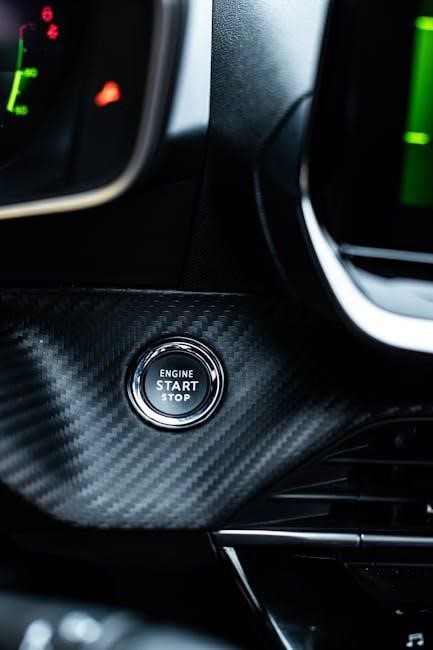
With the clutch fully depressed, handbrake engaged, and the gear selector firmly in neutral, you can now turn the ignition key. Modern manual cars with auto-start functionality often integrate a key proximity system; the key must be within a specific range of the vehicle for the engine to initiate. However, some systems require physical contact – holding the key close to a designated ‘Start’ button.
Turn the key to the ‘Start’ position and hold it until the engine catches. Avoid prolonged cranking, as this can strain the starter motor. If the engine doesn’t start immediately, release the key and try again, ensuring all previous steps have been correctly followed. Remember, the system is designed to prevent starting if the clutch isn’t depressed or the car isn’t in neutral, prioritizing safety.
Step 5: What to Do if the Car Doesn’t Start
If the engine fails to start after several attempts, don’t continue cranking excessively. First, re-verify that the car is genuinely in neutral and the handbrake is firmly applied – these are crucial safety interlocks for auto-start systems. Double-check the key’s proximity or contact with the start button, as required by your vehicle’s system.
If these checks are positive, the issue might lie with the battery, starter motor, or fuel system. A weak battery may not provide sufficient power to engage the starter. Consider a jump start if possible. If the problem persists, it’s advisable to consult a qualified mechanic to diagnose and address potential underlying issues preventing the auto-start from functioning correctly, ensuring safe operation.
Troubleshooting Common Starting Issues
Common problems include battery weakness, starter motor failure, or fuel system disruptions, all potentially hindering the auto-start function in a manual transmission vehicle.
Issue 1: Battery Problems
A depleted or weak battery is a frequent culprit when a manual car fails to start, especially with auto-start systems. These systems rely on sufficient voltage to engage the starter motor and initiate combustion. If the battery lacks the necessary power, the auto-start may not even attempt to turn the engine over, or it might result in a slow, labored crank.
Regular battery checks are crucial, particularly in colder climates where battery performance diminishes. Corrosion on the terminals can also impede the flow of electricity, hindering the starting process. Consider a battery test to assess its health and charging capacity. A failing battery might indicate the need for a replacement to ensure reliable auto-start functionality and overall vehicle operation. Remember, a healthy battery is the foundation of a dependable starting system.
Issue 2: Starter Motor Issues
The starter motor is responsible for physically cranking the engine, and its failure directly impacts the auto-start system’s ability to function. If the starter motor is faulty, the auto-start command won’t translate into engine rotation, resulting in a ‘click’ sound or complete silence. This can occur due to worn brushes, a damaged solenoid, or internal mechanical failures within the motor itself.
Repeated attempts to start, especially if unsuccessful, can exacerbate starter motor issues. A failing starter can also draw excessive current, potentially damaging the battery. Diagnosing a starter motor problem often requires professional testing. Ensuring the system isn’t attempting to start in gear, as emphasized for manual cars, protects the starter from undue stress. Replacement is typically necessary when the starter motor fails.
Issue 3: Fuel System Problems
A malfunctioning fuel system can prevent a manual car from starting, even with a functioning starter motor and battery. Issues can range from a clogged fuel filter restricting fuel flow to a failing fuel pump unable to deliver adequate pressure to the engine. A faulty fuel injector can also disrupt the air-fuel mixture needed for combustion.
If the engine isn’t receiving fuel, the auto-start system will attempt to crank the engine repeatedly without success. Modern fuel systems often include sensors that monitor fuel pressure and flow; a failure in these sensors can also trigger a no-start condition. Regular fuel filter replacements and periodic fuel system inspections are crucial preventative measures. Ensuring the car is parked on a level surface, as recommended for manual transmissions, doesn’t directly impact fuel delivery but contributes to overall system stability.
Advanced Starting Techniques
Advanced techniques aren’t typically relevant for auto-start systems in manual cars, as the system handles the clutch and gear selection automatically.
Hill Starts: Preventing Rollback
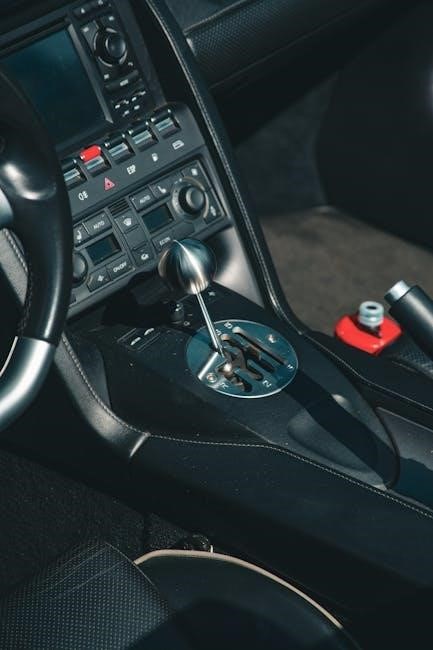
When a manual car with an auto-start feature is positioned on a hill, the system intelligently manages the process to prevent rollback. Unlike a traditional manual start, where coordinating the clutch, gas, and handbrake is crucial, the auto-start system takes control. It momentarily applies the brakes, ensuring the vehicle remains stationary while the engine starts and builds sufficient torque.
This prevents the car from rolling backward, a common concern for new manual drivers. The system then smoothly releases the brakes as the engine engages, allowing for a controlled and effortless start uphill. Modern manual cars equipped with hill-hold assist further enhance this capability, automatically maintaining brake pressure for a few seconds after the driver releases the brake pedal, providing ample time to move their foot to the accelerator.
Essentially, the auto-start feature on a hill eliminates the need for the “heel-toe” technique or precise handbrake coordination, making hill starts significantly easier and reducing the risk of stalling or rolling back.
Starting in Cold Weather
Starting a manual car with an auto-start feature in cold weather presents unique challenges, but the system is designed to mitigate them. Cold temperatures can thicken engine oil, reducing battery performance and making combustion less efficient. The auto-start system compensates by potentially extending the cranking time slightly, ensuring the engine receives sufficient power to overcome these conditions;
Furthermore, some systems may incorporate pre-heating functions, briefly activating components like the fuel pump to prime the system before ignition. This helps deliver fuel more readily to the engine. However, it’s crucial to remember that extremely cold temperatures can still strain the battery, even with auto-start.
Allowing the system a few extra moments to engage, and ensuring the battery is in good condition, are vital. The auto-start feature simplifies the process, but doesn’t entirely eliminate the impact of severe cold on starting performance.
Modern Manual Car Features
Auto-start systems in manual cars require confirmation of neutral gear and the handbrake’s engagement, enhancing safety and preventing accidental movement during remote starting.
Start-Stop Systems in Manual Cars
Integrating start-stop technology into manual transmission vehicles presents unique challenges compared to automatics, demanding a sophisticated understanding of the driver’s actions. These systems automatically shut off the engine when the car is stationary – for example, at traffic lights – and restart it instantly when you’re ready to move.
However, a crucial prerequisite for operation is ensuring the vehicle is in neutral with the handbrake engaged. This prevents unintended movement during the restart process, safeguarding against potential hazards. The system relies on sensors to confirm these conditions before allowing the engine to re-engage.
Furthermore, the clutch pedal must not be depressed during the auto-restart sequence. Modern systems are designed to recognize this and will prevent starting if the clutch is engaged, prioritizing safety and preventing jerky restarts. This nuanced interaction between driver input and automated systems defines the functionality of start-stop in manual cars.
Hill-Hold Assist Technology
Hill-hold assist is a valuable feature in manual cars, particularly when starting on an incline, and interacts subtly with the starting procedure. It prevents rollback by momentarily applying the brakes after you release the brake pedal, giving you time to move your foot to the accelerator without sliding backwards.
While not directly related to ‘auto start’ functionality, it complements the starting process. The system activates automatically when it detects an incline and the car is stationary. It remains engaged for a few seconds, providing a window for a smooth launch.
Crucially, hill-hold assist doesn’t override the need to be in neutral with the handbrake engaged for a standard start. It functions after you’ve begun the starting sequence, assisting with the transition from brake to accelerator on a slope. It enhances control and confidence, especially for less experienced manual drivers.
Maintaining Your Manual Car’s Starting System
Regular battery checks and clutch maintenance are vital for reliable starts, ensuring the system functions optimally and supports any auto-start features.
Regular Battery Checks
Maintaining a healthy battery is paramount for a dependable auto-start system in a manual car. The battery provides the necessary power to engage the starter motor, even when initiating remotely. Consistent voltage checks, ideally monthly, can reveal declining performance before a complete failure occurs.
Corrosion on battery terminals hinders electrical flow, so regular cleaning with a wire brush and baking soda solution is crucial. Furthermore, ensure the battery connections are secure; loose connections can interrupt the starting process. Consider a professional battery load test annually to assess its overall health and capacity.
Cold weather significantly impacts battery performance, reducing its cranking power. Therefore, more frequent checks are advisable during winter months. A weak battery may struggle to start the car, especially with the added demand of a remote start feature. Proactive battery maintenance extends its lifespan and ensures reliable operation of your manual car’s starting system.
Clutch Maintenance for Smooth Starts
Although auto-start systems bypass the initial driver input, a well-maintained clutch remains vital for smooth operation after remote activation in a manual car. A worn clutch can cause stalling or jerky engagement when the engine is running, even if started remotely. Regularly inspect the clutch pedal for smooth travel and consistent engagement point.
Listen for unusual noises, like squealing or grinding, during clutch operation, as these indicate potential issues. Check the clutch fluid level and replenish if low, ensuring the correct type is used. Proper clutch adjustment is crucial; too much slack can lead to difficulty selecting gears, while too little can cause constant slipping.
Ignoring clutch maintenance can lead to premature wear and costly repairs. A healthy clutch ensures a seamless transition from remote start to driving, enhancing the overall driving experience and protecting the transmission components. Prioritize clutch health for optimal performance.